The Benin Bronzes.
Not actually bronze — mostly brass. Not actually a style — a lineage. A thousand years of court art from the Benin Kingdom, mostly scattered across European museums since 1897.
What are the Benin Bronzes?
The "Benin Bronzes" are a corpus of several thousand brass and ivory artworks produced inside the Benin Kingdom between the 13th and 19th centuries. They include relief plaques that once covered the pillars of the Oba's palace, portrait heads of past kings and queen mothers, altarpieces, and ceremonial objects.
Most are brass, not bronze — a European mislabel that stuck. The pieces were cast by hereditary guilds in Benin City using the lost-wax method.
The 1897 looting
In 1897 a British punitive expedition attacked Benin City in response to the killing of a British trade mission. The palace was sacked, the Oba was exiled, and thousands of works were taken as loot. These were sold at auction in London to pay for the expedition and scattered to museums and private collections across Europe and North America.
Where they are today
The British Museum holds the largest single collection. Significant works are also in Berlin, Hamburg, Vienna, Oxford, and in American museums. Beginning in the 2020s, several European institutions have returned pieces to Nigeria. The restitution movement is ongoing.
"The craft never left Benin City. The works did."
The craft is still alive
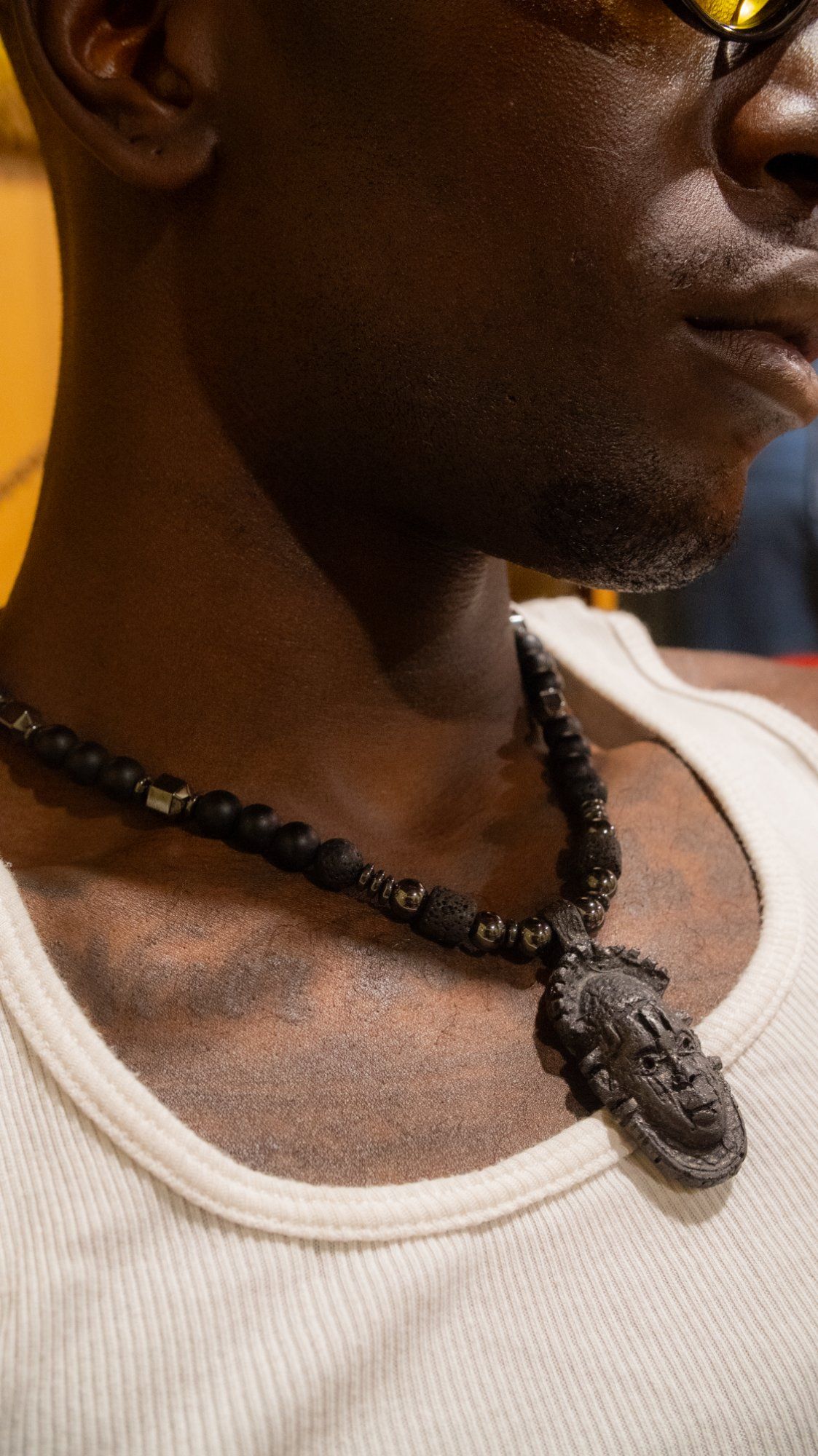
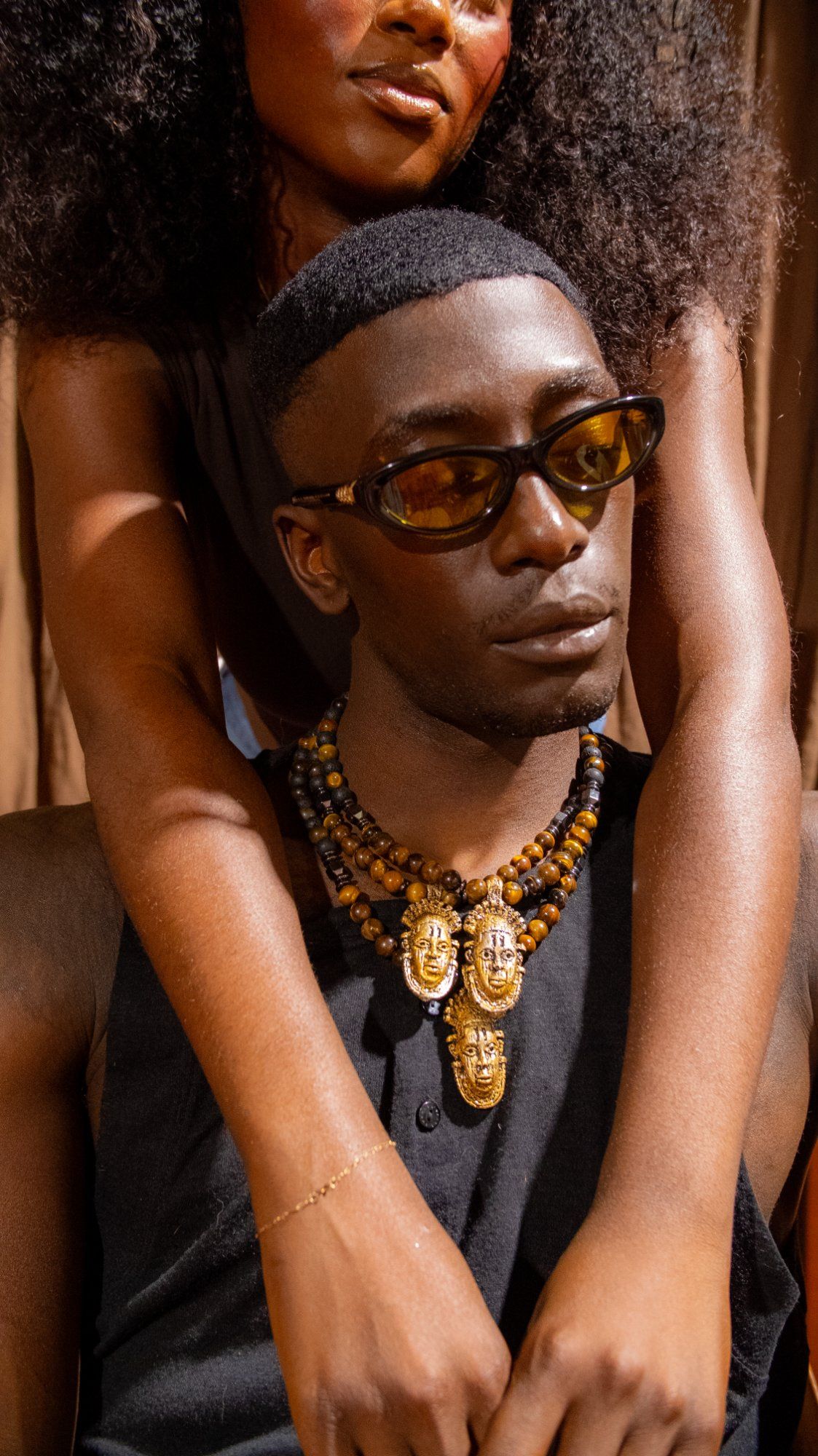
What's often missed: the guilds that made the Bronzes are still active in Benin City. Brass casters, bead workers, carvers — the lineages are intact. The Iyoba Pendants on this site are made inside that living tradition. They are not Bronzes — they are small contemporary pieces by craftspeople who inherited the technique.